Sandwich and Snack Vocabulary for Kids
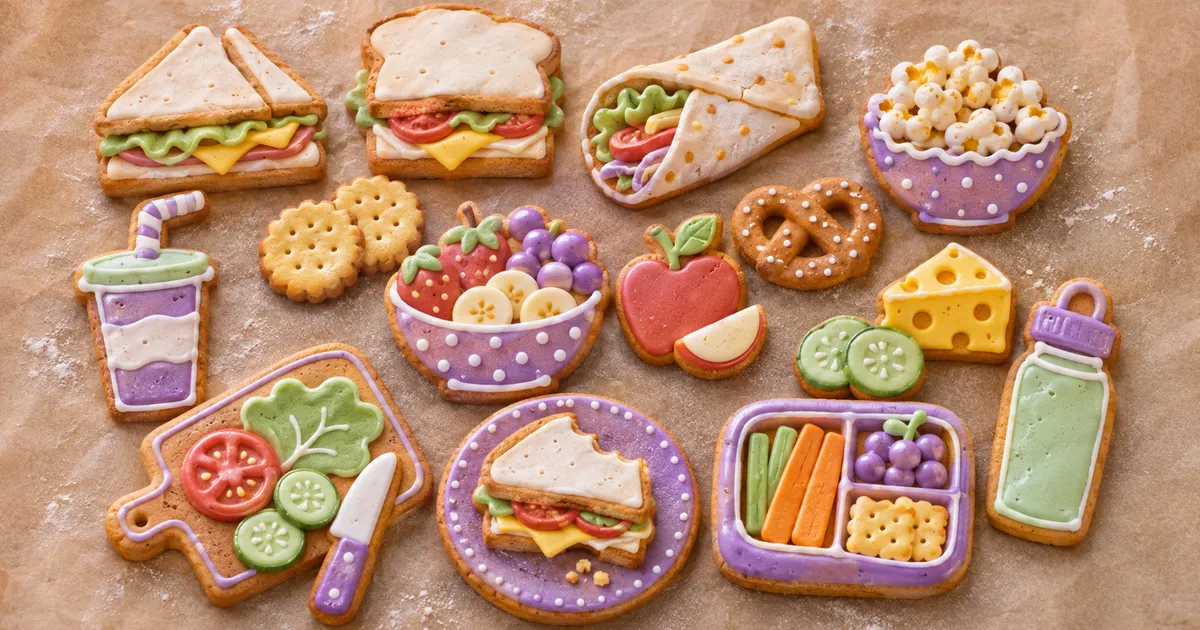
Sandwich and Snack Vocabulary and Activities for Kids starts with food words, action verbs, and short requests children can use at meals. Begin with ingredients such as bread, cucumber, and fruit; verbs such as cut, spread, and add; and phrases such as “Can I have fruit?” Children then practise through sorting, pretend play, recipes, and conversation. This guide provides a teachable word set, examples, activities for ages 4–15, a practice routine, and gentle corrections.
Core Words for Sandwiches and Snacks
Begin with words your child sees at home. The food need not match one country’s lunch routine. Choose familiar ingredients, then add one or two new items. Pictures, toy food, clean packets, and ingredients support the language.
“Please pass the bread.”
“I chose a roll.”
“Add the filling.”
“The crust is crunchy.”
“This cheese is soft.”
“Please add egg.”
“The cucumber is fresh.”
“I would like lettuce.”
“The fruit tastes sweet.”
“The yogurt is cold.”
“These crackers are salty.”
“Spread the butter.”
“Add the tomato.”
“Cut it in half.”
“The snack is crunchy.”
“Pack the lunch box.”
Teach connected groups. Place bread, roll, and slice together, then add actions: “Choose the bread,” “Add the filling,” and “Cut the sandwich in half.” An adult should handle cutting that is unsafe for the child.
Sandwich and Snack Vocabulary and Activities for Kids works well when nouns and verbs appear together. A child who knows “filling” and “add” understands more than one who memorises food labels without using them.
Useful Phrases in Everyday Context
Move from single words to short patterns. Keep the pattern steady while changing one item: “I’d like egg,” “I’d like cucumber,” and “I’d like fruit.” A child can build a sentence without solving new grammar each time.
Practise requests such as “Can I have bread?”, “Please add tomato,” “No lettuce, please,” and “Cut it in half, please.” For description, try “The cracker is crunchy,” “The yogurt is cold,” or “This snack tastes sweet.” Older children can explain choices: “I chose cucumber because I wanted something crunchy.”
Build and Say
Put three ingredient cards on the table. Your child chooses two and says, “I’d like a sandwich with egg and tomato.” Switch roles, then add a polite question or describing word.
Use Sandwich and Snack Vocabulary and Activities for Kids for communication, not memory testing. If your child points and says “filling,” expand naturally: “You would like filling.” The child hears the complete form while the conversation continues.
Activities for Different Ages
Sandwich and Snack Vocabulary and Activities for Kids uses the same food words at several levels. Adjust the speaking task, reading load, and choice. Ability and confidence matter more than exact age bands.
Pretend play gives words a purpose. Set up a café, shop, or picnic area. One person orders, one prepares pretend food, and one checks the order. Change roles before practice becomes dull.
Older children need age-appropriate tasks. They can write a short menu, compare snack customs in different homes, or record sandwich instructions. Focus on accurate English, not judging family meals.
A Simple Practice Routine at Home
Repeat Sandwich and Snack Vocabulary and Activities for Kids across three short moments. First, name and sort words. Later, use them in a choice or request. Finally, recall the choice: “I had yogurt and fruit. The fruit was sweet.”
Practise without food when easier. Draw a sandwich with labelled layers, use paper ingredient cards, or make a lunch-box plan. These options suit allergies, family rules, texture needs, and personal preferences.
Five-minute Snack Challenge
Choose one noun, one action, and one describing word. Your child makes a sentence with the three, such as “Add the crunchy cucumber.” Take turns choosing words.
A multilingual child may connect a new English word with a known word in another language. After confirming meaning, return to an English phrase and use it in a request, instruction, or description.
Common Mistakes and Helpful Corrections
Food words create countability errors. Model “some bread,” “a slice of bread,” “some cheese,” and “two crackers.” Instead of pausing for a grammar lecture, reply with the correct form: “Yes, you can have some.”
Children may omit small words: “I want sandwich” or “Put tomato plate.” Recast the message as “I want a sandwich” or “Put the tomato on the plate.” Request repetition only when it supports the task; constant correction turns a request into an exam.
Do not let vocabulary grow faster than speaking skill. Knowing thirty food labels matters less than requesting, describing, comparing, and instructing with a smaller set. Review familiar words in new combinations before adding more.
- Point to three sandwich ingredients, say each word, and invite repetition.
- Sort six snack pictures into sweet and savory groups, naming every item.
- Build a pretend sandwich, naming four ingredients before adding each one.
- Correct one mistake gently by repeating the sentence with accurate vocabulary.
- Finish with a two-choice question and praise each clear, complete answer.
When a word has several meanings or pronunciations, Cambridge Dictionary is a useful check before turning it into child-friendly examples.
Frequently Asked Questions
How Many Sandwich and Snack Words Should My Child Learn at Once?
Start with five or six connected words, such as bread, cheese, tomato, add, cut, and sandwich. Use them in short phrases before adding another group. A child who remembers easily can progress faster; a child meeting English online for the first time may need more matching, pointing, and repetition.
Should We Use Real Food, Pictures, or Toys?
Choose the option that makes language concrete and practice repeatable. Real food provides context; pictures and toy food avoid mess and support another session. Use foods and tools suitable for your child, and let an adult manage unsafe preparation.
Can My Child Use Another Language During the Activity?
Yes. A brief translation can confirm meaning, especially for a child who speaks two or three languages. Then return the word to an English sentence. The goal is English with a purpose: choosing, requesting, or explaining.
How Can We Keep This Vocabulary Interesting After the First Lesson?
Reuse Sandwich and Snack Vocabulary and Activities for Kids by changing the task while retaining key words. Turn matching into a café game, the game into recipe instructions, and instructions into a menu or comparison. LearnLink tutors vary the speaking purpose so children meet familiar language in fresh contexts.
For the next seven days, choose six words, practise for five minutes, and finish with one spoken request or instruction. On day seven, ask your child to plan a snack and explain three choices in English.
Want to see how these ideas work in a real lesson — try a LearnLink trial lesson.
Stay updated on our latest tips and resources by following us on Instagram LearnLink.